Best Industrial Gloves for Mechanics: A Complete 2026 Buying Guide
When you're working under a vehicle, operating power tools, or handling sharp metal parts on a jobsite, your hands are your most valuable asset. Yet hand injuries remain one of the leading causes of workplace accidents in mechanical and trade industries. Choosing the best industrial gloves for mechanics is not just a comfort decision — it's a safety-critical one.
This 2026 guide breaks down every major glove type, what to look for when buying, how to match the right glove to the right task, and which products to trust on the job. Whether you're a seasoned fleet mechanic, a plumber, an electrician, or a general contractor, this guide is for you.
Why Industrial Gloves Matter More Than Ever in 2026
Modern mechanics deal with a wider range of hazards than ever before — from chemical lubricants and cutting fluids to sharp sheet metal edges, electrical exposure, and high-heat surfaces. A standard work glove simply won't cut it across all these environments.
According to OSHA data, nearly 23% of all workplace injuries involve the hands. Most of those injuries are preventable with the right personal protective equipment (PPE). Pair quality gloves with the right general purpose hand tools and you dramatically reduce risk on every job.
Beyond safety, the right gloves improve grip, reduce fatigue, and let you maintain dexterity while working — all of which directly affect your productivity. If you want to take jobsite efficiency seriously, check out our guide on 5 Proven Ways to Maximize Jobsite Productivity.
Types of Industrial Gloves for Mechanics
Not all work gloves are created equal. Here's a breakdown of the most common types and when to use each.
1. Foam Nitrile Palm-Coated Gloves
Best for: General mechanical work, assembly, parts handling, light tool use
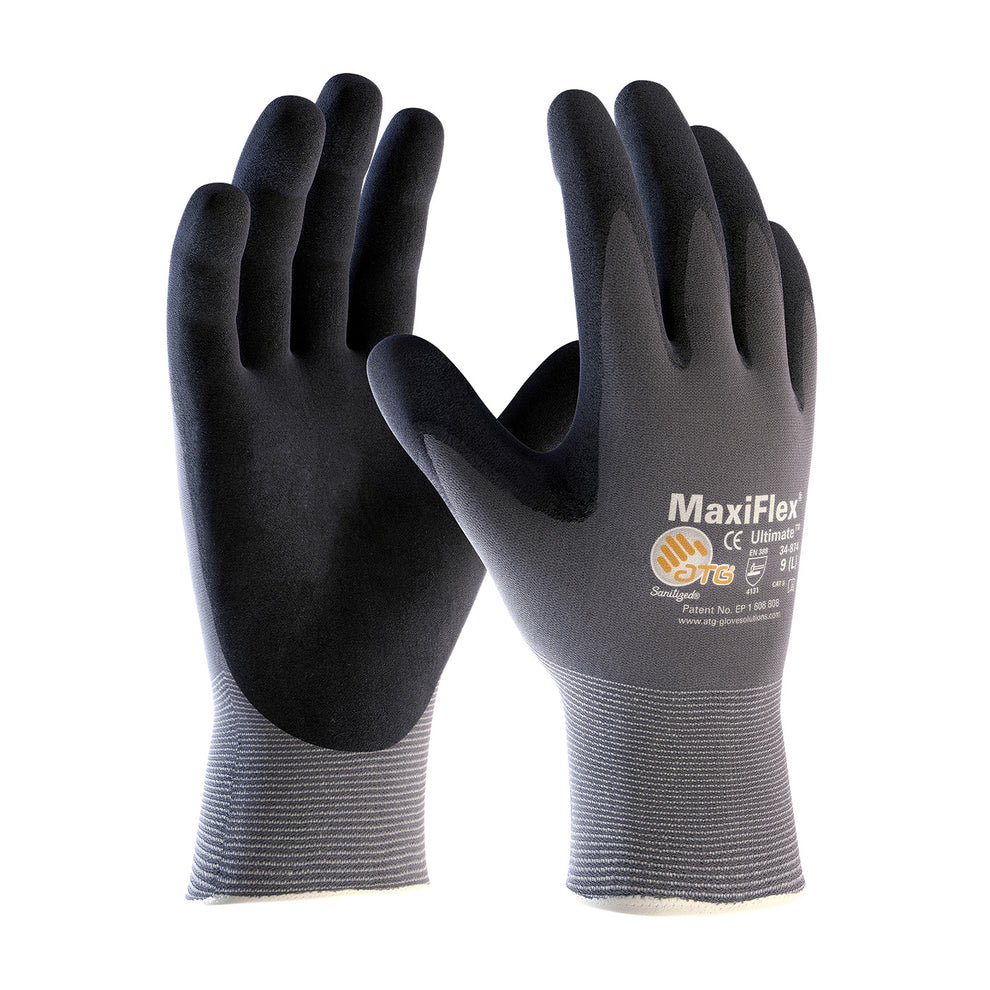
Foam nitrile gloves are the workhorse of the mechanic's world. The foam nitrile coating on the palm and fingers provides excellent grip on both wet and oily surfaces, while the knit backing keeps your hands breathable and comfortable during long shifts.
The Maxiflex PIP 34-874 Ultimate Foam Nitrile Palm Coated Gloves are a standout option. Engineered by Protective Industrial Products, these gloves feature a 15-gauge seamless nylon/polyester liner with a black foam nitrile coating on the palm and fingertips. The result is exceptional wet and dry grip, outstanding dexterity, and all-day comfort. They're ANSI rated and designed specifically for mechanics, assemblers, and material handlers who need tactile sensitivity without sacrificing protection.
2. Cut-Resistant Gloves
Best for: Sheet metal work, HVAC installation, handling sharp pipe fittings, knife use
Cut-resistant gloves use HPPE (High-Performance Polyethylene), Kevlar, or Dyneema fiber in the liner to resist slicing and lacerations. They're rated using the ANSI/ISEA 105 cut scale from A1 (light cut resistance) to A9 (maximum cut resistance).
For mechanics working with sharp metal edges — such as threading pipe fittings or installing conduit — an A3 or A4 rated glove strikes the right balance between cut protection and hand flexibility. Always check the cut rating before purchasing.
3. Impact-Resistant Gloves
Best for: Heavy equipment mechanics, construction, demolition, operating impact wrenches
Impact gloves incorporate a TPR (thermoplastic rubber) dorsal guard on the back of the hand to absorb blunt force and crush hazards. If you're regularly using equipment like the Milwaukee M18 FUEL 1/2" Hammer Drill or high-torque impact tools, impact-rated gloves add a critical layer of protection.
Look for gloves that meet ANSI/ISEA 138-2019 Impact Level 2 or Level 3 for meaningful protection.
4. Chemical-Resistant Gloves
Best for: Handling oils, solvents, brake fluid, coolant, transmission fluid
Mechanics are frequently exposed to petroleum-based chemicals. Standard foam nitrile gloves offer moderate chemical resistance, but for prolonged exposure to aggressive solvents, you need a heavier-gauge nitrile, neoprene, or butyl rubber glove.
Key rule: always check the glove's chemical compatibility chart before use. A glove rated for oil may not resist acetone or brake cleaner.
5. Heat-Resistant and Welding Gloves
Best for: Exhaust work, welding, brazing, soldering, working near hot pipes
Heat-resistant gloves use leather, aluminized fabric, or Kevlar construction to protect against radiant and contact heat. If your mechanical work involves any welding or hot pipe handling, these are non-negotiable.
Key Features to Look For When Buying Industrial Gloves
Grip Performance
Grip is arguably the most important feature for a mechanic. Foam nitrile and micro-foam nitrile coatings outperform smooth nitrile in oily conditions. Look for gloves with palm AND fingertip coating for maximum control of small parts and fasteners.
Dexterity and Tactile Sensitivity
A thick, clunky glove may protect your hand but make precision work nearly impossible. For tasks like threading fittings, torquing bolts, or using precision hand tools, choose a thin-gauge glove (13 or 15-gauge liner) that allows you to feel what you're doing.
Sizing and Fit
An ill-fitting glove is dangerous — too loose and it can catch in moving parts, too tight and it restricts blood flow and fatigues your hand. Always try on or match your hand measurement to the manufacturer's size chart. Most quality gloves come in XS through XXL.
ANSI Safety Ratings to Know
| Rating | What It Covers |
|---|---|
| ANSI/ISEA 105 | Cut, puncture, abrasion resistance |
| ANSI/ISEA 138 | Impact protection |
| EN 388 | European mechanical hazard standard |
| EN 407 | Thermal protection |
Breathability and Sweat Management
Sweaty hands cause fatigue and reduce grip. Look for knit nylon or polyester liners that wick moisture away from the skin. Avoid full-dip rubber coatings for tasks that last more than an hour — they trap heat.
Durability and Washability
Quality industrial gloves should last through repeated wash cycles without delaminating. The Maxiflex PIP 34-874 is machine washable, which significantly extends their usable lifespan and makes them cost-effective on long jobs.
How to Match the Right Glove to the Task
| Task | Recommended Glove Type |
|---|---|
| Engine assembly / parts handling | Foam nitrile (Maxiflex PIP 34-874) |
| Sheet metal / HVAC install | Cut-resistant A3–A4 |
| Heavy equipment / impact tool use | Impact-resistant + foam nitrile |
| Solvent / fluid handling | Heavy nitrile or neoprene |
| Welding / exhaust work | Leather or Kevlar heat-resistant |
| Electrical work | Voltage-rated rubber insulating gloves |
Electricians and utility workers should pair their gloves with appropriate insulated tools. Browse our full selection of utility and electrician tools to build a complete, code-compliant toolkit.
Glove Care and Maintenance: Make Them Last
Even the best gloves degrade quickly if not cared for properly. Here's how to extend their life:
1. Wash regularly. Coated work gloves accumulate oils, chemicals, and debris that break down the coating over time. Wash foam nitrile gloves in cold water on a gentle cycle. Air dry — never put them in a dryer.
2. Inspect before every use. Check for tears, punctures, delamination, or worn-through coating. A compromised glove is worse than no glove — it gives a false sense of protection.
3. Store properly. Keep gloves away from direct sunlight, heat sources, and ozone-generating equipment. UV and ozone degrade rubber coatings rapidly.
4. Never use beyond their rated purpose. Using a foam nitrile glove to handle hot exhaust components can cause instant burns. Match the glove to the hazard.
Proper tool care extends well beyond gloves. For a complete maintenance routine, read our Power Tool Maintenance Guide and our article on How to Maintain Your Power Tools for Longevity.
Safety Glove Standards Explained
Understanding certifications helps you make a confident purchase. Here are the three standards you'll see most often:
ANSI/ISEA 105-2016 is the primary U.S. standard for hand protection. It rates gloves on cut resistance (A1–A9), puncture resistance (1–5), and abrasion resistance (1–6).
EN 388:2016 is the European equivalent. You'll often see this on imported gloves with a four or five-digit rating (e.g., 4131X).
ANSI/ISEA 138-2019 specifically covers impact protection and rates gloves Level 1, 2, or 3 — with Level 2 being the minimum recommended for most heavy mechanical work. When shopping, always verify that the glove's listed certifications match your actual hazard. A glove advertised as "impact resistant" without an ANSI 138 rating is a marketing claim, not a verified standard.
Milwaukee Safety Solutions: A Brand Worth Knowing
Milwaukee Tool has expanded aggressively into jobsite safety, offering cut-resistant gloves, high-visibility vests, knee pads, and more — all designed to complement their power tool ecosystem. If you're already running Milwaukee M18 tools, their safety solutions are engineered to work together ergonomically.
Browse the full Milwaukee Safety Solutions collection at Tool Mart Houston for current inventory and pricing.
Where to Buy Industrial Gloves in Houston
Tool Mart Houston stocks professional-grade hand protection alongside the power tools and trade equipment you already trust. Our team understands the demands of real jobsite work — we don't carry consumer-grade products that look the part but fail under pressure.
Frequently Asked Questions
What is the best glove for general mechanic work?
A 15-gauge foam nitrile coated glove like the Maxiflex PIP 34-874 is the best all-around choice. It provides excellent grip in oily conditions, strong dexterity, and all-day comfort.
Can I use the same gloves for electrical and mechanical work?
No. Electrical work requires voltage-rated insulating gloves (Class 00 through Class 4 per ASTM D120). Standard work gloves offer zero protection against electrical shock. Browse our utility and electrician tools collection for proper electrical PPE.
How often should I replace my work gloves?
Inspect gloves before every use. Replace them when you notice worn-through coating, tears, or delamination — regardless of how new they are. For high-use mechanics, monthly replacement is common.
Are foam nitrile gloves oil-resistant?
Yes. Foam nitrile coatings resist petroleum-based oils and light solvents. For prolonged exposure to aggressive solvents (acetone, brake cleaner, strong degreasers), upgrade to a heavier nitrile or neoprene glove.
What ANSI cut level do I need for pipe work?
For most pipe threading and fitting work, an A2–A3 cut level is sufficient. If you're handling freshly cut pipe or sharp sheet metal regularly, move to A4.
Final Recommendation
For mechanics who need one go-to glove that handles 80% of daily tasks, the Maxiflex PIP 34-874 Ultimate Foam Nitrile Gloves are the clear answer. They combine the grip, dexterity, and durability that professional mechanics demand — at a price point that makes buying multiple pairs per technician practical.
For specialized tasks — welding, chemical handling, electrical work — layer in the purpose-built glove for that hazard. No single glove does everything, and knowing when to switch is as important as knowing which glove to wear.
Protect your hands. They're the tools that use all the other tools.
Ready to gear up?
Shop professional hand protection in store or online — Houston's trade tool experts since day one.