How to Choose the Right Power Tool Battery (2026 Professional Guide)
Choosing the right power tool battery is more than comparing voltage numbers on the label. For contractors and trade professionals, the battery platform you invest in determines runtime, torque consistency, tool compatibility, and long-term equipment costs across your entire tool ecosystem.
For professionals working on demanding jobsites in Houston, San Antonio, and across Texas, a reliable cordless battery system can significantly improve productivity. The right platform allows crews to share batteries across multiple tools, maintain consistent performance, and reduce downtime during installations.
In this 2026 professional guide, we break down how contractors should evaluate power tool batteries, including voltage systems, amp hours, high-output technology, and battery ecosystems, so you can build a cordless setup that performs reliably on real jobsites.
Why Battery Platforms Matter for Contractors
Cordless power tools are now the standard across construction, electrical installation, plumbing, and HVAC work. Modern lithium-ion battery technology allows cordless tools to deliver performance comparable to corded equipment.
For contractors, the battery system affects:
- Jobsite runtime
- Tool compatibility across platforms
- Torque consistency under heavy load
- Long-term equipment costs
- Crew efficiency on multi-tool installations
Many professionals in Houston construction and electrical trades rely on established cordless ecosystems such as Milwaukee M18 FUEL, which powers tools ranging from hammer drills to rotary hammers and band saws.
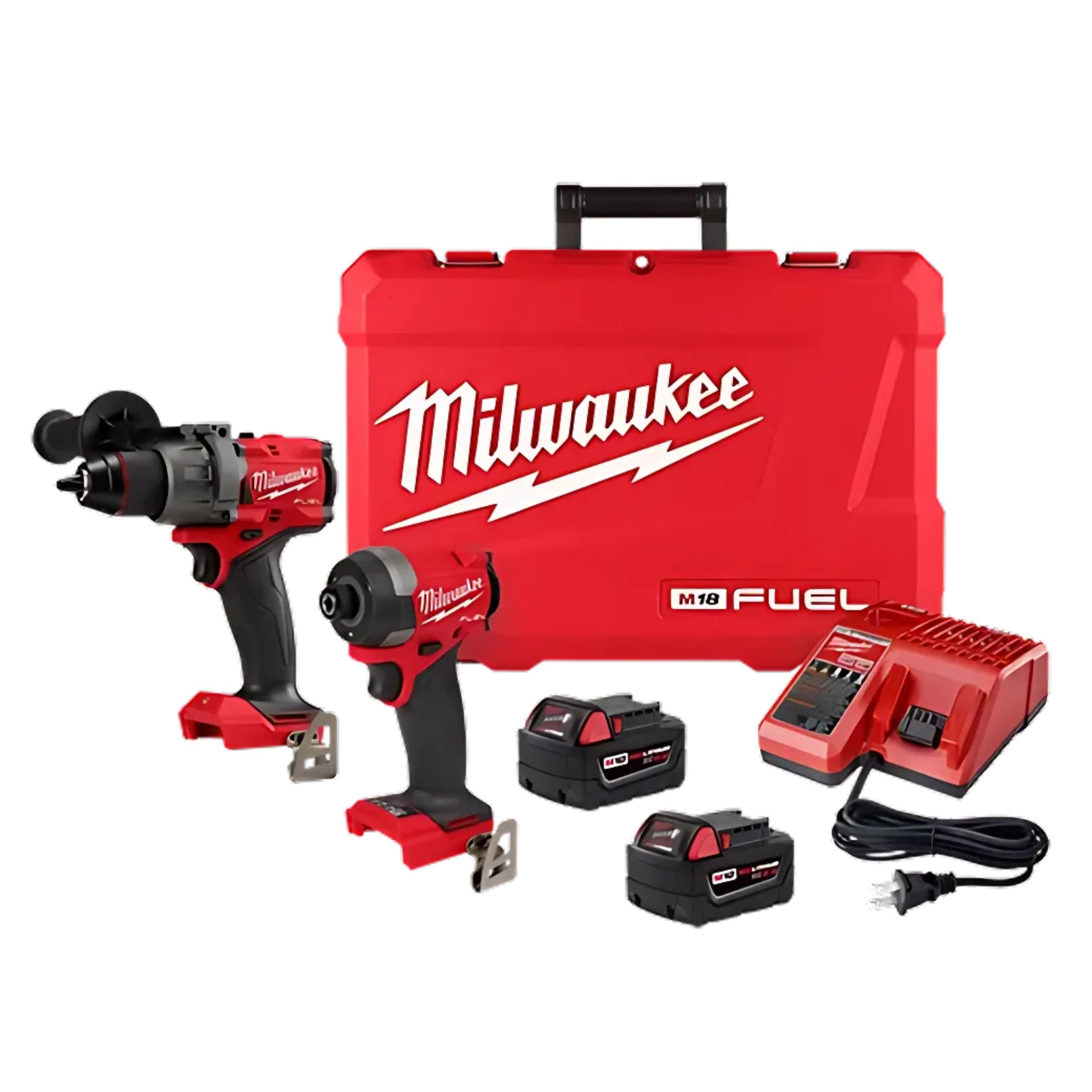
Milwaukee M18 FUEL 2-Tool Combo Kit 3697-22
- POWERSTATE brushless motors for high performance
- REDLITHIUM battery system for extended runtime
- Includes hammer drill and impact driver
- Ideal entry point into M18 ecosystem
Best for: Contractors building a cordless tool system.
Buy at Tool MartThis combo kit provides a professional starting point for contractors building a cordless tool ecosystem.
Start With the Battery Platform — Not the Tool
One of the most common mistakes professionals make is buying cordless tools individually rather than choosing a battery ecosystem first.
Cordless platforms are designed to support dozens of compatible tools that all share the same battery packs and chargers.
Before investing in cordless tools, contractors should ask:
- What type of work do I perform most often?
- Will my team share tools and batteries?
- How many cordless tools will I expand into later?
Choosing a unified battery platform provides several advantages:
- Cross-tool battery compatibility
- Reduced equipment costs
- Simplified charging systems
- Easier tool management on jobsites
For example, contractors who start with the Milwaukee M18 FUEL ecosystem can expand into compatible tools such as:

Milwaukee M18 FUEL 1/2" Hammer Drill/Driver 2904-20
- High torque brushless motor
- Hammer mode for masonry
- REDLITHIUM battery compatibility
- Compact professional design
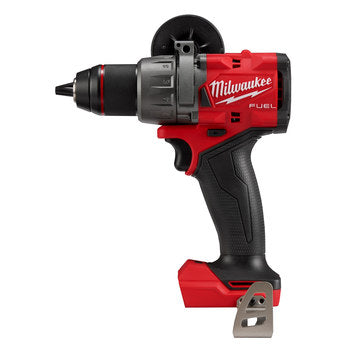
Milwaukee M18 FUEL 1/2" Drill/Driver 2903-20
- Compact high-performance drill
- Brushless motor efficiency
- Optimized for everyday drilling tasks
- Compatible with M18 system
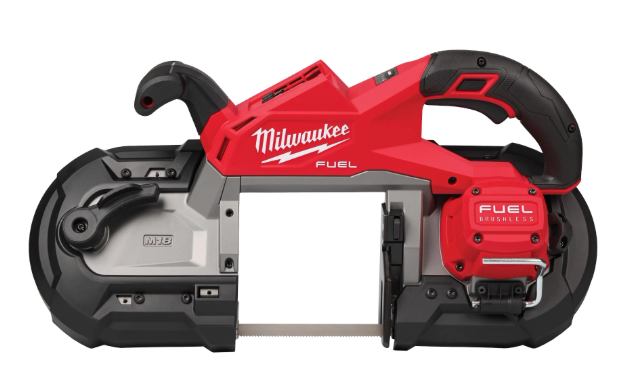
Milwaukee M18 FUEL Deep Cut Band Saw 2929-20
- Deep cut capacity for pipe and conduit
- Smooth cutting with low vibration
- Cordless portability
- Built for jobsite durability
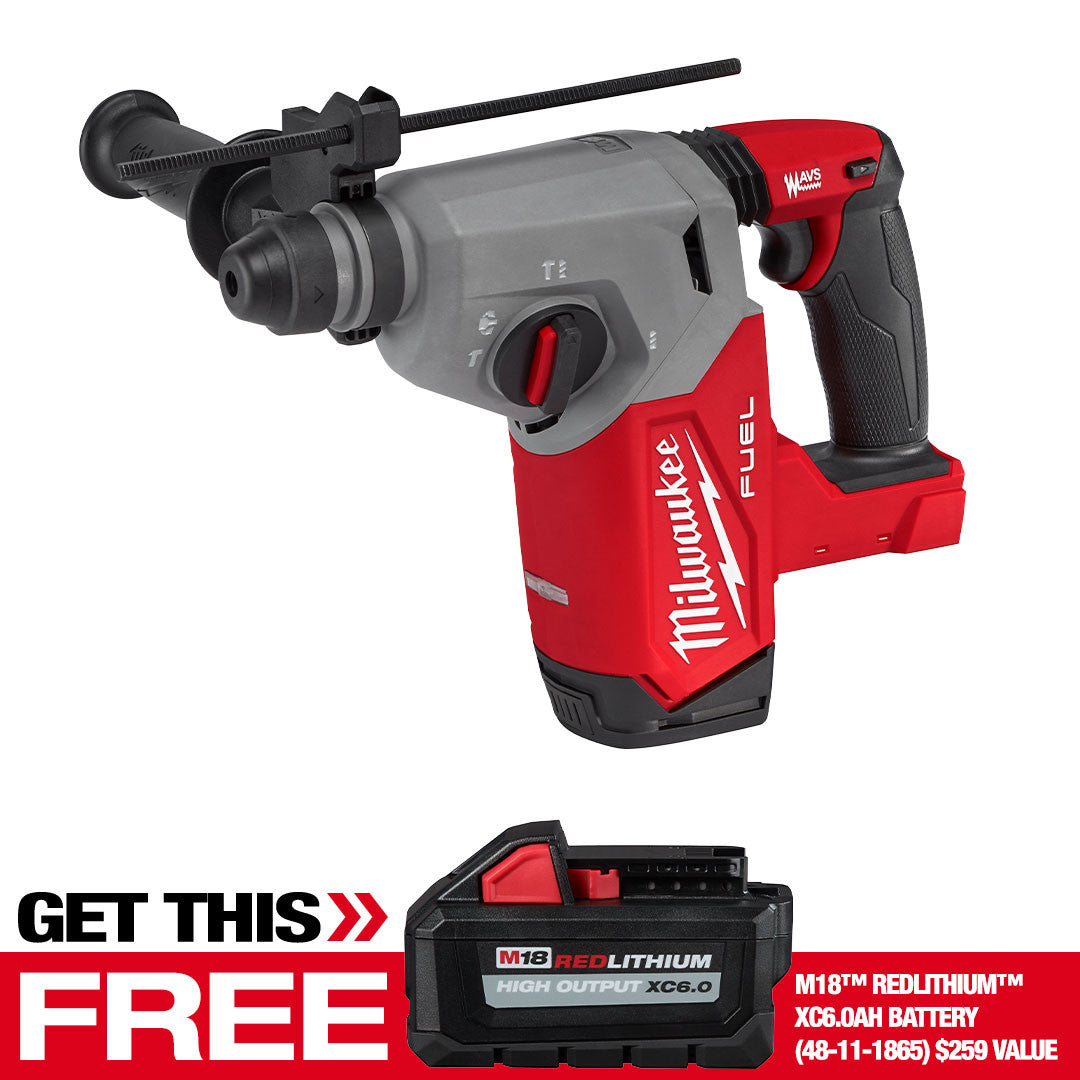
Milwaukee M18 FUEL 1" SDS Plus Rotary Hammer 2912-20
- High-impact energy for concrete drilling
- SDS Plus system for efficiency
- Brushless motor technology
- Designed for heavy-duty applications
Using a single cordless platform helps crews work faster and avoids the cost of managing multiple battery systems.
12V vs 18V vs 20V MAX — Understanding Voltage Systems
Voltage ratings are often misunderstood by buyers.
Many assume higher voltage automatically means more power, but cordless performance depends on several factors including motor efficiency, battery output, and electronics.
Understanding voltage platforms helps contractors choose the right tools for their workload.
12V Systems
12V cordless systems are designed primarily for compact service tools.
Best for:
- Service technicians
- Maintenance electricians
- Light installation tasks
- Tight mechanical spaces
Advantages include:
- Lightweight design
- Easy maneuverability
- Reduced fatigue during long service calls
However, 12V platforms are not designed for heavy construction tasks or large concrete anchors.
18V Systems
18V cordless platforms are considered the industry standard for professional trades.
They are widely used by:
- Electricians
- HVAC technicians
- Plumbers
- General contractors
- Mechanical installers
These systems provide an ideal balance between power, portability, and runtime.
For example, the Milwaukee M18 FUEL 1/2" Hammer Drill/Driver (2904-20) delivers the torque needed for:
- Concrete anchors
- Structural fastening
- Steel drilling
- Framing installations
18V platforms also support high-performance tools such as:
- Rotary hammers
- Band saws
- Reciprocating saws
- Impact drivers
For most professional contractors, an 18V cordless platform offers the best long-term flexibility.
20V MAX Systems
20V MAX systems deliver performance similar to 18V platforms in real jobsite conditions.
These systems are commonly used for:
- Framing
- Deck construction
- Remodeling work
- Structural fastening
In practice, the difference between 18V and 20V MAX performance is minimal. Contractors should focus on ecosystem strength, available tools, and long-term compatibility.
Amp Hours (Ah) — The Runtime Factor
While voltage determines potential power output, amp hours determine how long the battery lasts during operation.
Typical battery capacities include:
-
2.0Ah batteries
Compact and lightweight
Suitable for light tasks -
4.0Ah batteries
Standard capacity for professional use
Balanced weight and runtime -
5.0Ah – 6.0Ah batteries
Extended runtime
Ideal for longer installations -
8.0Ah or larger
High-demand cutting and drilling
If you're using tools such as band saws or rotary hammers like the Milwaukee M18 FUEL Deep Cut Band Saw 2929-20 , larger battery packs can significantly improve jobsite efficiency by reducing battery swaps.
High-Output Batteries & Advanced Electronics
Modern cordless battery systems now include advanced technology such as:
- High-density lithium-ion cells
- Intelligent battery management systems
- Overheat protection circuits
- Tool-to-battery communication
These innovations allow professional tools to maintain torque under heavy load and prevent overheating during demanding tasks.
For contractors performing heavy drilling or concrete work, high-output battery packs improve both runtime and durability.
Weight vs Runtime — The Real Trade-Off
Larger batteries increase runtime but also increase tool weight.
For service technicians working in tight spaces or overhead installations, lighter batteries may be more comfortable.
Commercial installers performing long drilling or cutting tasks often prefer larger battery packs to avoid frequent battery changes.
Choosing the right battery capacity depends on the type of work being performed.
FAQs About Power Tool Batteries
Does higher voltage always mean more power?
Not necessarily. Motor design and battery efficiency play a significant role.
Are high-output batteries worth the investment?
Yes. High-output batteries provide better runtime and improved torque consistency.
Should contractors standardize battery platforms?
Yes. Standardizing cordless platforms simplifies tool management and reduces costs.
Final Recommendation
Professional contractors should build their cordless tool ecosystem strategically.
Start with a reliable battery platform, then expand your tool lineup within that system.
For most contractors in Houston and San Antonio construction trades, the ideal approach is:
- Choose an 18V or 20V cordless platform
- Invest in 4.0Ah or larger batteries
- Use brushless motor tools
- Expand within the same ecosystem
Building a consistent cordless platform ensures reliable performance across drilling, cutting, fastening, and installation tasks.