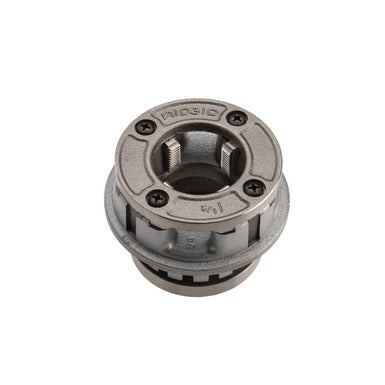
How to Choose Between Renting vs Buying Tools
Choosing between renting and buying tools isn’t just about cost—it’s about efficiency, long-term value, and how you operate on the job.
Whether you're a contractor, technician, or business owner, making the right decision can save thousands of dollars and improve productivity. In this guide, we’ll break down exactly when to rent, when to buy, and how to build the smartest tool strategy using real-world examples from Tool Mart.
Renting vs Buying Tools: What’s the Difference?
- Renting tools means paying for short-term access to equipment when needed
- Buying tools means owning them for repeated, long-term use
Simple rule:
- Short-term = rent
- Long-term = buy
But in reality, the decision is more nuanced, let’s break it down.
Key Factors to Decide Between Renting and Buying Tools
1. Project Duration
If your project lasts:
- 1–3 days → Rent
- Weeks/months → Buy
For example, using a drain cleaning machine once? Renting makes sense. But if you're doing weekly maintenance, ownership quickly becomes more cost-effective.
You can explore available options via Tool Mart’s rental service: Tool rental service
2. Frequency of Use
Ask yourself:
“Will I use this tool regularly?”
- Occasional use → Rent
- Frequent use → Buy
For daily-use tools like wrenches or cutters, buying is almost always the better investment.
Example:
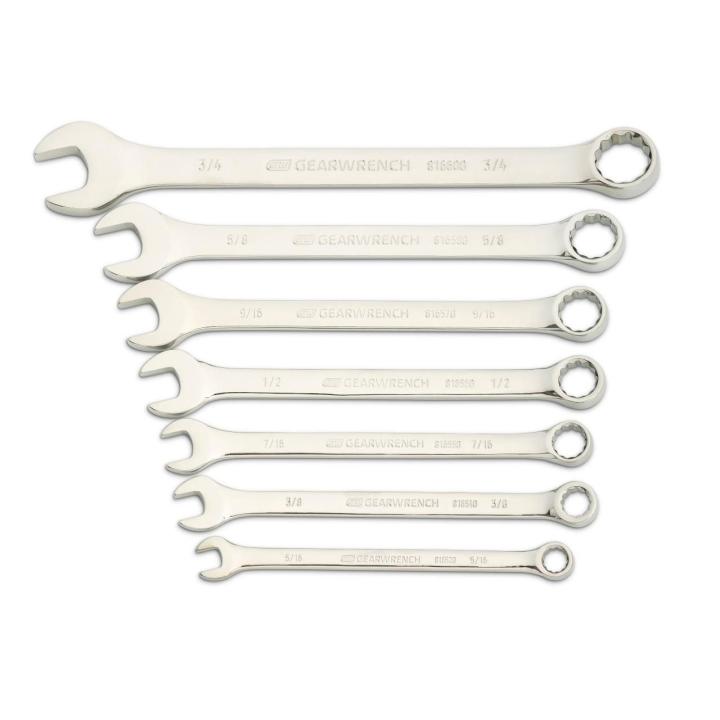
Gearwrench 7 Piece 12 Point Long Pattern Combination SAE Wrench Set with Tool Roll 81933
- Long pattern design for increased leverage
- 12-point box end for easier fastener engagement
- Durable alloy steel construction
- Includes portable tool roll for organization
Best for: Daily mechanical work, maintenance, and general contractors.
Buy at Tool Mart3. Upfront Cost vs Long-Term Value
- Renting → Lower upfront cost
- Buying → Better long-term ROI
Example:

Champion Cutting Tool Heavy Duty Cobalt Jobber Drill 705C-1/2
- Cobalt construction for high heat resistance
- Designed for drilling hard metals like stainless steel
- Precision-ground for improved cutting performance
- Extended lifespan compared to standard drill bits
Best for: Metal fabrication, industrial drilling, and heavy-duty applications.
Buy at Tool Mart4. Maintenance & Repairs
- Renting → No maintenance required
- Buying → You are responsible for upkeep
BUT here’s the advantage with Tool Mart:
Even if you buy tools, you can rely on our repair services to extend tool lifespan and reduce replacement costs: Tool repair services
5. Storage & Logistics
- Large equipment → Rent (if space is limited)
- Compact tools → Buy
Heavy tools like pipe threading machines or drum machines can take up space—making renting more attractive for small operations.
When You Should Rent Tools
Renting is ideal when:
- You need a tool for a one-time project
- The tool is expensive or specialized
- Storage space is limited
- Maintenance would be costly
Examples of Tools You Should Consider Renting
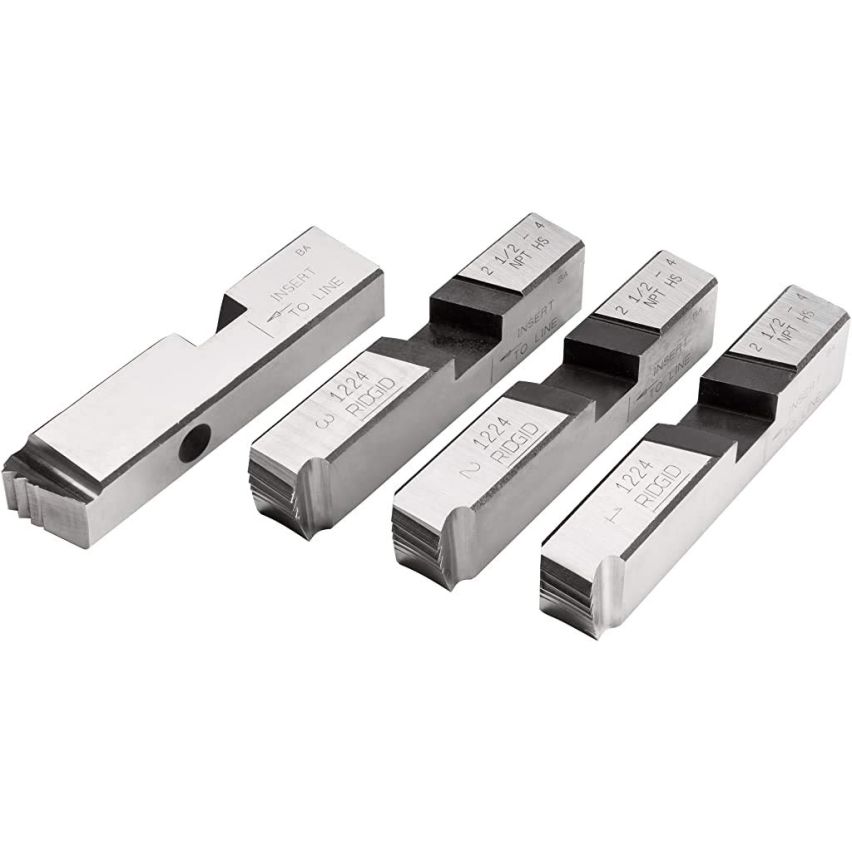
RIDGID 1224 4-Piece Pipe Threader Dies Set, 2 1/2-Inch to 4-Inch 26192
- Designed for use with RIDGID 1224 threading machines
- Covers large pipe sizes from 2-1/2" to 4"
- Precision-cut dies for clean, accurate threads
- Durable construction for heavy-duty jobsite use
Best for: Industrial pipe threading and commercial plumbing applications.
Buy at Tool Mart
RIDGID K-750 Drum Machine with Gloves and AUTOFEED - 3/4" (20 mm) Pigtail 41977
- AUTOFEED system for easier cable control
- Powerful motor for clearing tough drain blockages
- Designed for 3/4" cables for heavy-duty cleaning
- Durable construction for professional use
Best for: Drain cleaning professionals and plumbing contractors handling heavy clogs.
Buy at Tool MartThese tools are powerful—but only necessary for specific jobs.
When You Should Buy Tools
Buying is the better option when:
- You use the tool frequently
- It’s a core part of your job
- You need immediate availability
- You want long-term savings
Best Tools to Buy (From Tool Mart)
Everyday Mechanical Tools
Gearwrench 7 Piece 12 Point Long Pattern Combination SAE Wrench Set with Tool Roll 81933
- Long pattern design for increased leverage
- 12-point box end for easier fastener engagement
- Durable alloy steel construction
- Includes organized tool roll for portability
Best for: Daily mechanical work, general contractors, and maintenance professionals.
Buy at Tool MartSupport Tools

Greenlee Reel Stand RXM
- Heavy-duty construction for jobsite durability
- Smooth reel handling for efficient wire pulling
- Stable base design reduces tipping risk
- Designed for electrical and cable installation work
Best for: Electricians, cable installers, and commercial jobsite setups.
Buy at Tool MartThese tools are used regularly—making ownership the smarter move.
Renting vs Buying Tools: Pros and Cons
Renting – Pros
- Lower upfront cost
- No maintenance
- Access to specialized equipment
Renting – Cons
- Costs add up over time
- Limited availability
- Not always accessible when needed
Buying – Pros
- Long-term cost savings
- Always available
- Better familiarity with tools
Buying – Cons
- Higher upfront cost
- Requires storage
- Maintenance responsibility
However, with Tool Mart’s repair service, maintenance becomes much easier: Tool repair services
Cost Comparison: Renting vs Buying
Let’s break it down:
Scenario:
- Renting a machine: $100/day
- Using it 10 times/year = $1,000
- Buying a similar tool may cost ~$800–$1,200
✔ Break-even point: ~8–12 uses
After that, buying saves money.
Best Strategy: Combine Renting and Buying
Here’s what most professionals do:
Buy:
- Wrenches
- Drill bits
- Cable cutters
- Daily-use tools
Rent:
- Large machines
- Specialized equipment
- Rare-use tools
How to Build a Smart Tool Strategy
Instead of choosing one or the other—combine both:
Step 1: Buy Core Tools
Start with essentials:
- Wrench sets
- Cutting tools
- Drill bits
Step 2: Add Specialized Tools as Needed
Only invest when usage increases.
Step 3: Rent for Unique Jobs
Avoid unnecessary capital expenses.
Final Thoughts
There’s no one-size-fits-all answer—but there is a smart approach:
- Buy tools you use often
- Rent tools you rarely need
This strategy ensures:
- Lower costs
- Better efficiency
- Stronger long-term ROI
Browse professional tools and build your toolkit today at Tool Mart: Tool Mart homepage